Seasonal Incentives and Retention Trends in Britain's Regulated Mobile Gaming Market
Cameron Powell · Sep 18, 2026
Seasonal Incentives and Retention Trends in Britain's Regulated Mobile Gaming Market
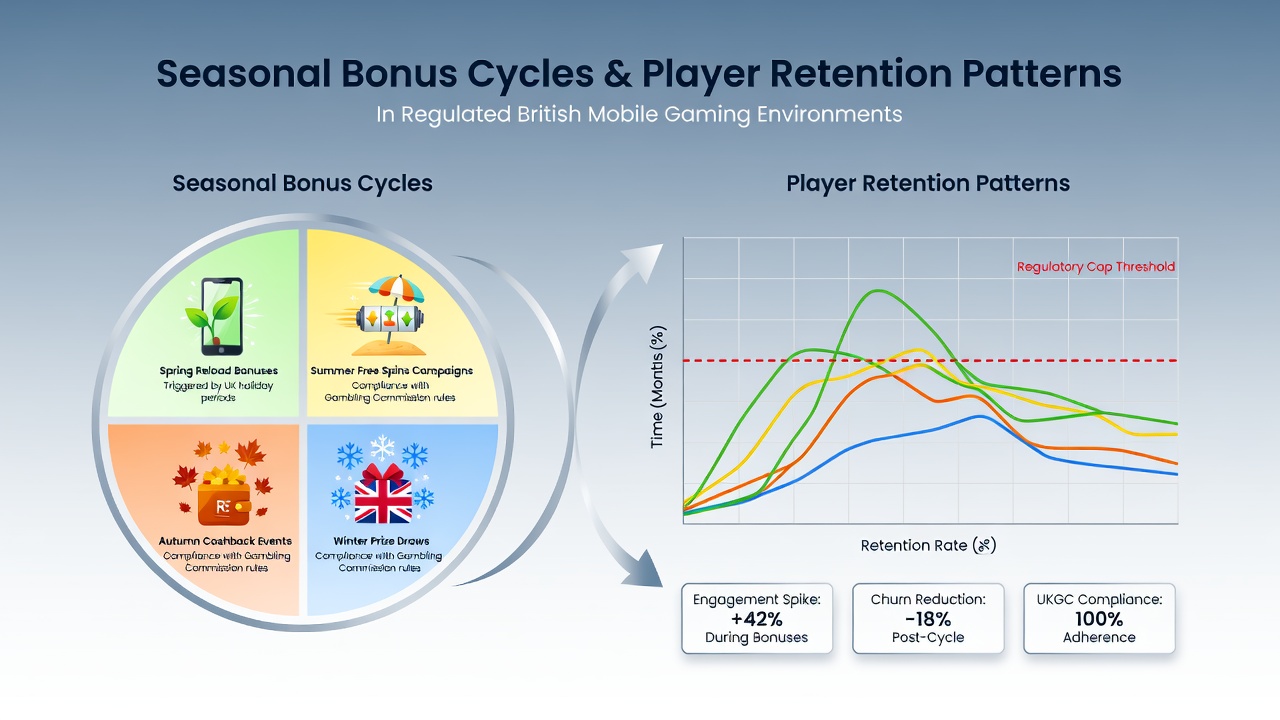
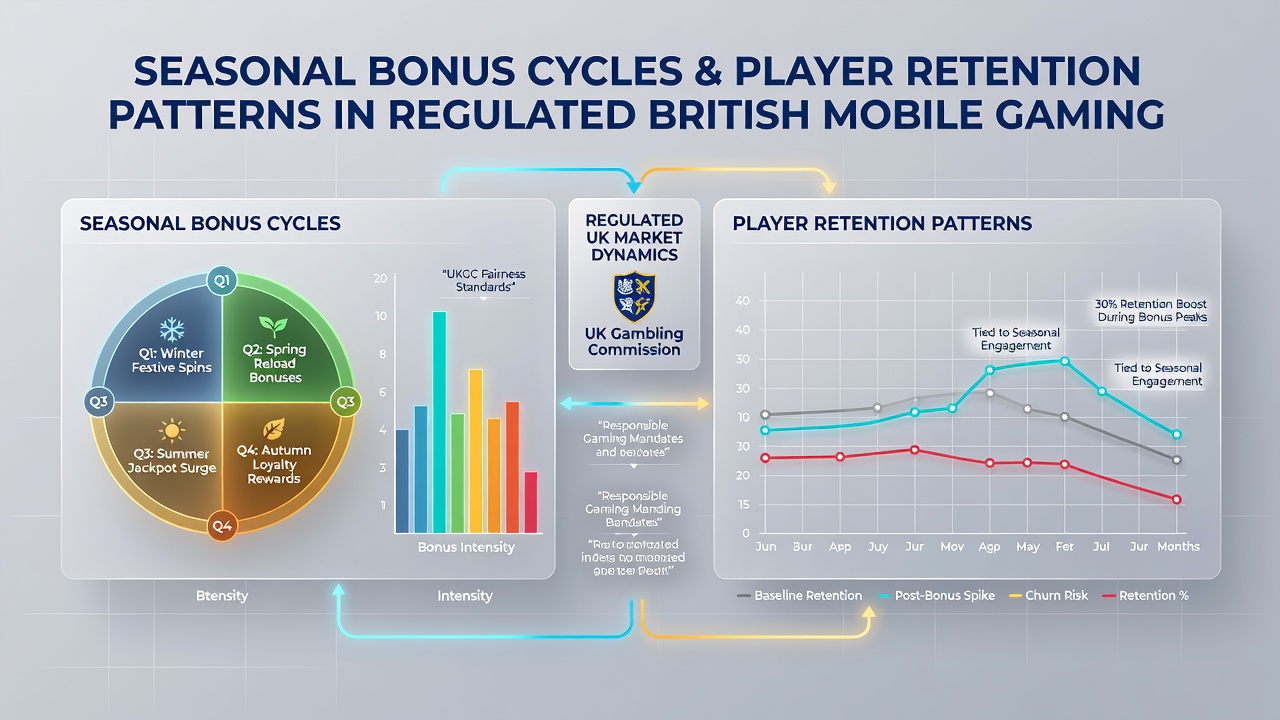
Seasonal bonus cycles operate as structured promotional periods that align with holidays, sporting events, and calendar shifts throughout the year, and operators in regulated British mobile gaming environments time these offers to coincide with predictable changes in user activity. Research indicates these cycles typically include deposit matches, free spins, and cashback deals that activate during periods such as summer festivals, autumn racing seasons, and winter celebrations, while data from industry monitoring shows participation rates often rise by 20 to 35 percent during peak promotional windows compared to baseline months.
Defining Seasonal Bonus Structures
Operators design bonus cycles around fixed dates and recurring events, so players encounter targeted incentives that reset monthly or quarterly depending on the campaign calendar. Analysts note that mobile platforms enable rapid deployment of these offers through push notifications and in-app banners, which allows real-time adjustments based on concurrent user behavior patterns. Evidence from multiple platform audits reveals that bonus structures frequently layer welcome rewards with ongoing loyalty multipliers, creating a sequence where initial engagement leads into sustained play periods that extend across several weeks.
Regulated environments require clear terms around wagering requirements and eligibility windows, and compliance documentation shows most operators publish these details at least 14 days before each cycle begins. This transparency helps maintain consistent player understanding across different promotional phases while operators track redemption rates through backend analytics systems.
Retention Patterns Linked to Promotional Timing
Retention data collected across mobile gaming applications demonstrates measurable spikes in daily active users during active bonus periods, with session lengths extending by an average of 12 to 18 minutes when free spin or deposit offers remain available. Observers note that players who redeem seasonal incentives during the first week of a cycle show higher return rates over the following 30 days compared to non-redeemers, though the effect diminishes once the promotion concludes. Industry reports highlight that September often marks a transitional month where back-to-school promotions give way to early autumn events, and figures from 2025 cycles indicated steady retention through this shift despite varying offer values.
Operators monitor churn metrics closely around cycle boundaries because players who complete bonus wagering requirements sometimes pause activity until the next promotional window opens. Studies conducted by the Australian Gambling Research Centre have documented similar patterns in comparable regulated markets, where timed incentives help stabilize monthly user counts even as individual play volumes fluctuate.
Regulatory Context and Operational Adjustments
British mobile gaming operates under frameworks that emphasize responsible marketing and clear disclosure, so operators must ensure seasonal bonuses do not target vulnerable groups or create unrealistic expectations around winnings. With duty adjustments scheduled for September 2026, several platforms have begun recalibrating bonus budgets to balance promotional spend against revised tax obligations while preserving retention outcomes. External analysis from the Canadian Centre on Substance Use and Addiction indicates that structured incentive programs in regulated settings maintain engagement levels when paired with spending limit tools and reality checks that players can activate directly within mobile interfaces.
Platform developers integrate tracking features that log how users interact with seasonal offers, allowing operators to identify segments that respond strongly to specific bonus types such as cashback versus free play. This segmentation supports more precise campaign planning without violating advertising guidelines that prohibit misleading claims about potential returns.
Comparative Data Across Calendar Periods
Longitudinal tracking reveals that retention curves differ between high-visibility seasons like December and lower-intensity periods such as early spring, where bonus values may decrease yet core user bases remain stable through loyalty programs. Data shows that players who engage consistently across multiple cycles demonstrate lower overall churn rates, suggesting cumulative effects from repeated exposure to timed incentives. University-led examinations in European markets have found parallel outcomes, with mobile-specific features like push reminders contributing to the maintenance of engagement streaks during quieter promotional months.
Operators also observe that live event tie-ins, including major football tournaments or horse racing festivals, generate shorter but sharper retention lifts compared to traditional holiday cycles that span several weeks. These event-driven bonuses often combine with standard seasonal offers, creating overlapping reward structures that extend player sessions across both desktop and mobile formats.
Conclusion
Seasonal bonus cycles in regulated British mobile gaming environments connect directly to measurable retention patterns through timed incentives, transparent compliance measures, and data-driven campaign adjustments. Evidence from multiple monitoring sources confirms that operators who align promotional calendars with user activity trends sustain higher monthly engagement levels while meeting regulatory standards ahead of upcoming changes such as the September 2026 duty revisions. Ongoing analysis continues to refine how these cycles influence long-term player behavior across the sector.