Payment Pathways and Their Influence on Player Choices in Mobile Slots Versus Live Dealer Games
Anna Richter · Aug 21, 2026
Payment Pathways and Their Influence on Player Choices in Mobile Slots Versus Live Dealer Games
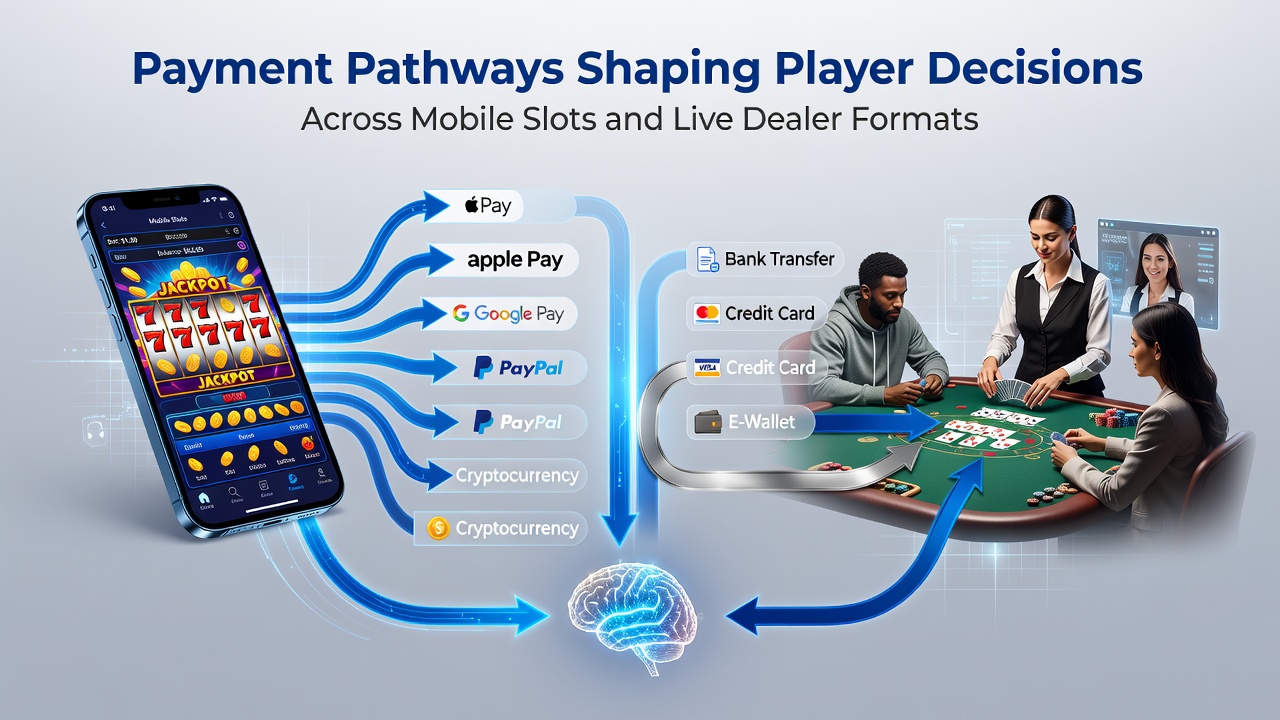
Payment pathways continue to shape how players approach mobile slots and live dealer formats, with transaction speed, available methods, and regional regulations playing central roles in decision patterns. Data collected across multiple jurisdictions shows that players often select games based on deposit and withdrawal options that align with their device preferences and session lengths. In August 2026, industry figures revealed increased adoption of instant funding tools in both categories, though usage rates differed notably between slot-focused sessions and live dealer tables.
Mobile slots typically feature shorter play cycles where quick deposits matter more than extended verification steps, while live dealer games require stable funding channels that support larger stakes and longer table sessions. Observers note that these distinctions lead players to favor certain payment rails depending on the format they choose at any given time.
Mobile Slots and Fast-Track Funding Options
Players engaging with mobile slots frequently rely on e-wallets and instant bank transfers because these methods minimize interruptions between spins. Research from the Alcohol and Gaming Commission of Ontario indicates that deposit completion times under thirty seconds correlate with higher session frequency on slot titles. Game providers have adjusted integration points so that payment gateways sit directly within the app interface, allowing users to reload balances without exiting the game screen.
Regional variations appear in preferred rails as well. North American markets show stronger uptake of prepaid card options for slots, whereas European players more often select digital wallet services that support multiple currencies. These choices affect how often individuals switch between different slot games during a single session, since some titles accept only specific processors.
Live Dealer Formats and Verification Requirements
Live dealer environments place greater emphasis on identity checks and higher transaction limits, which influences the payment pathways players select before joining tables. According to statistics released by the New Jersey Division of Gaming Enforcement, live dealer sessions average longer durations and higher per-hand wagers, prompting users to choose methods that handle larger volumes without repeated verification prompts. Bank transfers and certain credit card processors remain common here because they accommodate the required documentation processes more smoothly than some instant options.
Platform operators have introduced hybrid pathways that combine initial wallet funding with direct table transfers, reducing friction once a player has completed the first verification. Those who studied transaction logs in 2025 noted that live dealer participants who used these combined systems returned to the same tables more consistently than users relying on separate deposit steps for each session.

Cross-Format Decision Patterns Emerging in 2026
By August 2026, analysts observed that many players maintained separate payment profiles for slots and live dealer play rather than using one pathway across both formats. This separation stems from the distinct risk profiles and time commitments each format demands. Mobile slot users often test multiple small deposits across several games, while live dealer participants consolidate funds into fewer, larger transactions that support extended play.
Industry reports from the Australian Institute of Criminology highlight how regulatory updates on digital payments have accelerated this split. Jurisdictions that streamlined verification for lower-value transactions saw faster growth in slot activity, whereas markets retaining stricter checks experienced steadier but slower increases in live dealer participation. Players respond to these rules by selecting pathways that match the compliance burden of their chosen format.
Device and Interface Factors
Smartphone screen size and connection stability further guide payment pathway selection. Mobile slot interfaces prioritize one-tap reloads that work on variable networks, whereas live dealer platforms require more robust connections to maintain both video feeds and simultaneous banking actions. Observers have documented cases where players switch from live dealer tables to slots when network conditions make complex payment confirmations unreliable.
Payment providers have responded by embedding format-specific prompts that suggest suitable methods based on detected game type. These automated recommendations appear in player dashboards and reduce the time spent navigating options during active sessions.
Regulatory and Security Influences on Pathway Adoption
Security protocols tied to each payment method also affect format preferences. Methods with built-in fraud detection layers see wider use in live dealer settings where account balances tend to be larger, while lighter authentication suits the rapid cycling typical of mobile slots. Data from academic studies on digital transaction security shows that players weigh these security features alongside speed when deciding which format to enter first.
Cross-border players encounter additional layers because currency conversion fees and local licensing rules differ between slot-focused sites and live dealer platforms. Those patterns lead some individuals to maintain accounts in multiple regions, each optimized for the payment rails accepted by their preferred game types.
Conclusion
Payment pathways continue to drive distinct selection behaviors across mobile slots and live dealer formats as transaction requirements, verification standards, and device capabilities evolve. Figures from regulatory bodies and research institutions demonstrate that players adapt their funding choices to match the pace and scale of each format rather than applying a single approach universally. As new tools emerge and regulations shift, these decision patterns will likely refine further while remaining tied to the core differences between quick spin sessions and extended table play.