Integrating Self-Exclusion Protocols with Multiple Payment Systems in Britain’s Online Table Game Environments
Anna Richter · Oct 16, 2026
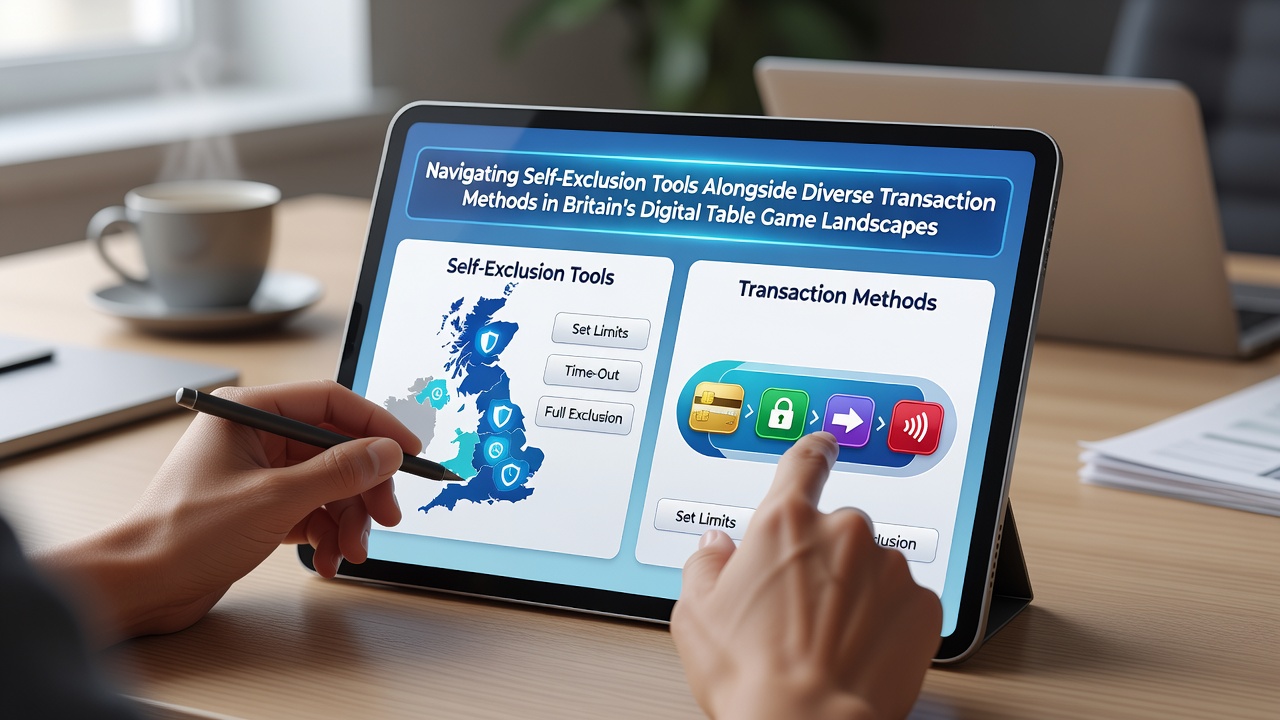
Integrating Self-Exclusion Protocols with Multiple Payment Systems in Britain’s Online Table Game Environments
Britain’s digital table game sector continues to evolve as operators refine systems that combine self-exclusion mechanisms with an expanding range of transaction options, and these developments affect how players manage both their participation and their deposits or withdrawals across platforms offering roulette, blackjack, and poker variants. Researchers have documented steady growth in the adoption of digital tools that allow individuals to set temporary or permanent blocks while selecting from credit transfers, e-wallet services, and bank-linked applications, all within the same account dashboard.
Core Components of Self-Exclusion Systems
Self-exclusion protocols operate through centralized databases that record user requests and enforce restrictions across multiple licensed sites, while transaction methods remain separate yet must comply with the same verification standards that confirm account ownership before any funds move. Data from industry reports shows that users frequently link their self-exclusion status to payment profiles so that deposit functions deactivate automatically once an exclusion period begins, and this linkage reduces the chance of accidental transactions during restricted windows. Observers note that October 2026 brought incremental updates to verification APIs used by several major platforms, allowing faster synchronization between exclusion lists and banking modules without requiring players to contact support teams separately.
Transaction Methods and Their Technical Integration
Payment pathways in Britain’s online table game environments include instant bank transfers through open banking frameworks, digital wallets that store encrypted card details, and prepaid vouchers purchased at retail outlets, each carrying distinct processing times that range from seconds to several business days. Studies from the Canadian Centre on Substance Use and Addiction have examined similar integration patterns in other regulated markets and found that platforms which embed exclusion checks directly into the payment authorization layer achieve higher compliance rates, since the system rejects any attempt to fund an account during an active exclusion. Those who manage multiple transaction methods often discover that some e-wallets permit quicker reversals of pending deposits when an exclusion activates mid-process, whereas traditional bank wires may require additional steps to cancel once initiated.
Practical Navigation for Players
Individuals navigating these combined systems typically begin by accessing the account settings panel where self-exclusion toggles sit alongside payment method lists, allowing them to review which banks or wallets remain linked before confirming any restriction period. One study revealed that players who review their transaction history immediately before activating exclusion encounter fewer issues with residual balances, since they can request withdrawals through the same interface that will soon lock deposits. Yet the reality is that withdrawal requests placed just prior to exclusion activation still process according to the operator’s standard timeline, which means funds may arrive days after the exclusion takes effect provided the request meets all verification criteria.
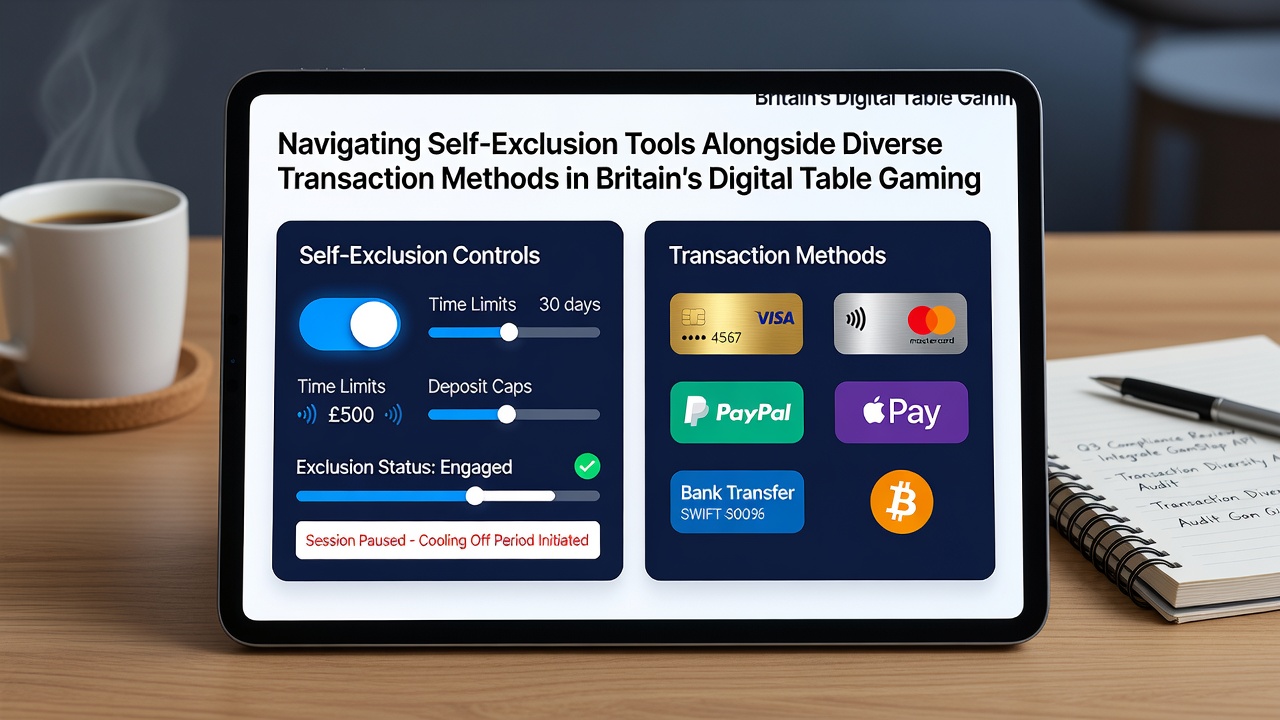
Another layer involves multi-factor authentication that operators apply uniformly to both exclusion requests and high-value transfers, creating a single security checkpoint that covers both responsible gaming actions and financial movements. Figures from academic reviews indicate that this unified authentication approach lowers error rates when users attempt to switch payment methods while under exclusion, because the system flags any mismatch between the requesting device and previously verified details.
Regulatory Context and Industry Standards
Regulatory bodies outside Britain have published guidelines on similar dual-function systems, and the Australian Gambling Research Centre has published data showing that clear separation between exclusion databases and payment processors helps maintain player trust while still allowing legitimate withdrawals of existing balances. In Britain the same principle applies, with operators required to honor pending withdrawals even after exclusion begins, provided the funds originate from verified sources and the request predates the restriction. Those who have examined these processes note that October 2026 saw several platforms introduce dashboard alerts that remind users of any scheduled exclusion start dates alongside upcoming transaction processing windows, reducing the likelihood of confusion over timing.
Conclusion
The combination of self-exclusion tools and diverse transaction methods in Britain’s digital table game landscapes requires players to understand how verification layers, processing timelines, and database synchronization interact within a single account environment, and current systems continue to refine these connections to support both responsible participation and efficient fund management. Data indicates that platforms maintaining clear separation between exclusion enforcement and payment authorization achieve smoother user experiences, while ongoing updates such as those observed in October 2026 demonstrate continued technical alignment between the two functions.